Musée Maurice Ravel
The Museum of InnocenceThe Musée Maurice Ravel is a former Paris home of the composer that becomes a formative stop in Kemal’s museum visits. Its intimate display of everyday belongings gives him a model for seeing ordinary objects not as embarrassing clutter but as traces of a life—and helps him imagine presenting his own collection of things connected to Füsun.
Setting and Collections
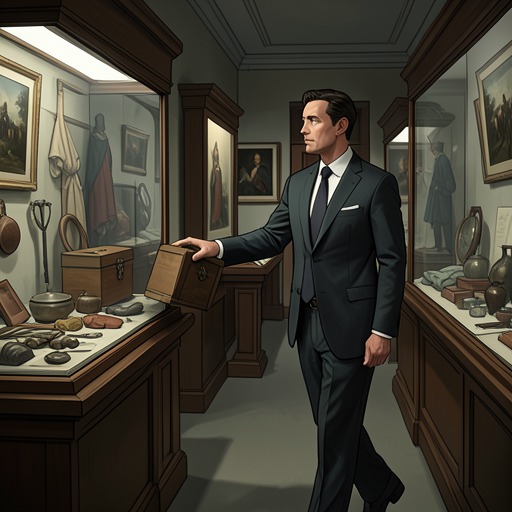
Kemal identifies the museum as the former house of the famous composer. What arrests him is not a grand public display but a gathering of personal and domestic things: Ravel’s toothbrush, coffee cups, china figurines, dolls and toys, and an iron cage with an iron nightingale singing inside it. The assortment brings household scale into the museum, placing intimate possessions alongside the idea of a celebrated life.
Kemal’s Visit
The Musée Maurice Ravel is one of several quieter Paris museums Kemal wanders through after leaving Istanbul, where reminders of Füsun crowd his attention. Away from the city that holds their shared past, he finds he can consider both Füsun and his own obsession from a more detached perspective. At the Ravel house, the objects produce a particularly strong response: the iron cage immediately recalls Lemon, and Kemal comes close to weeping. The association carries the emotion of his private history into a museum encounter without making the objects identical; a display about Ravel’s life opens a route back to his own.
Influence on Kemal’s Museum Idea
The visit contributes to Kemal’s growing conviction that his collection can be exhibited. Other Paris museums suggest that letters and a wide range of modest possessions can belong in a display; the Musée Maurice Ravel makes the possibility emotionally vivid through its domestic objects and the remembered image of Lemon. Together, these encounters release Kemal from the shame he feels about hoarding things at the Merhamet Apartments and awaken pride in his identity as a collector. The museum thus matters less as a biography of Ravel than as a practical and imaginative precedent: it shows Kemal how personal memory might be given public form through ordinary things.